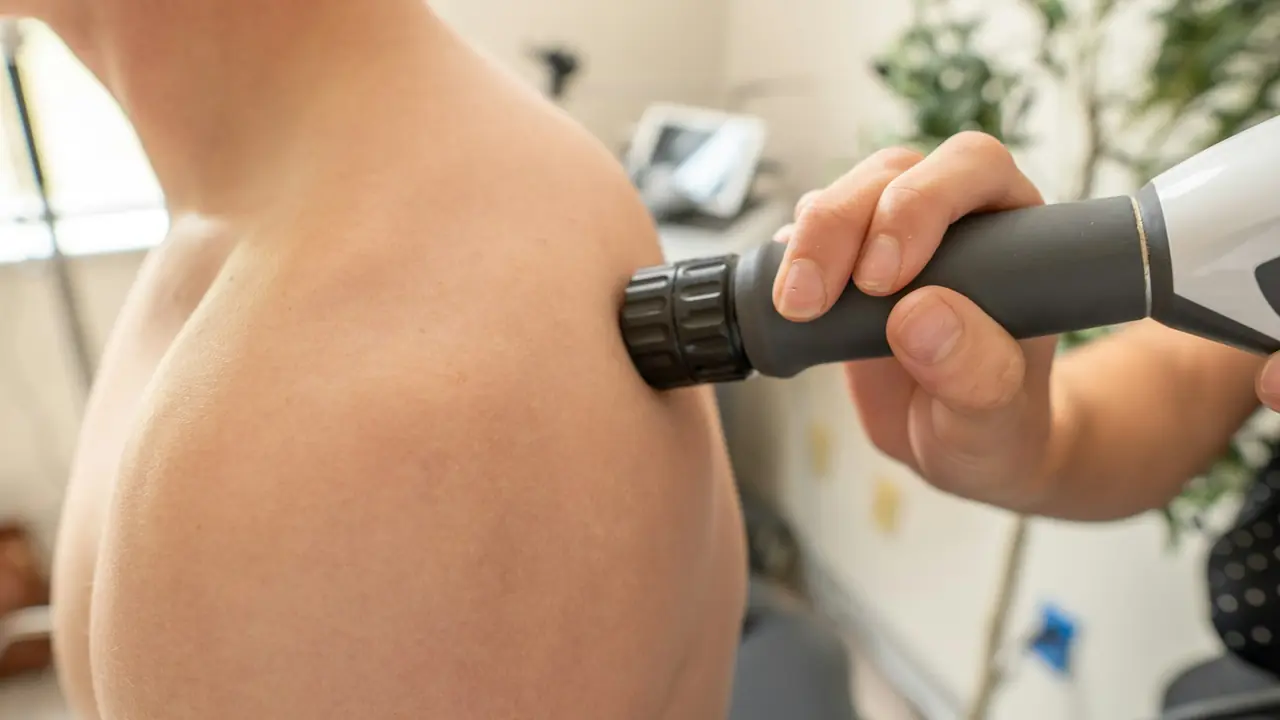

Most people with back pain have heard of herniated discs, pinched nerves, and sciatica. Far fewer have heard of the facet joints — even though facet joint pain is among the more common sources of chronic neck and low back pain, especially as we age. After 17 years as a double board-certified pain physician and anesthesiologist, I regularly meet patients who have spent years being told they have “arthritis in the back” or “wear and tear,” without anyone explaining which structure actually hurts or what can be done about it. This article is that explanation.
We will cover what facet joints are, why they become painful, the symptom pattern that points to them, why imaging alone cannot confirm the diagnosis, and the treatments — from physical therapy to targeted nerve procedures — that help.
What Are the Facet Joints?
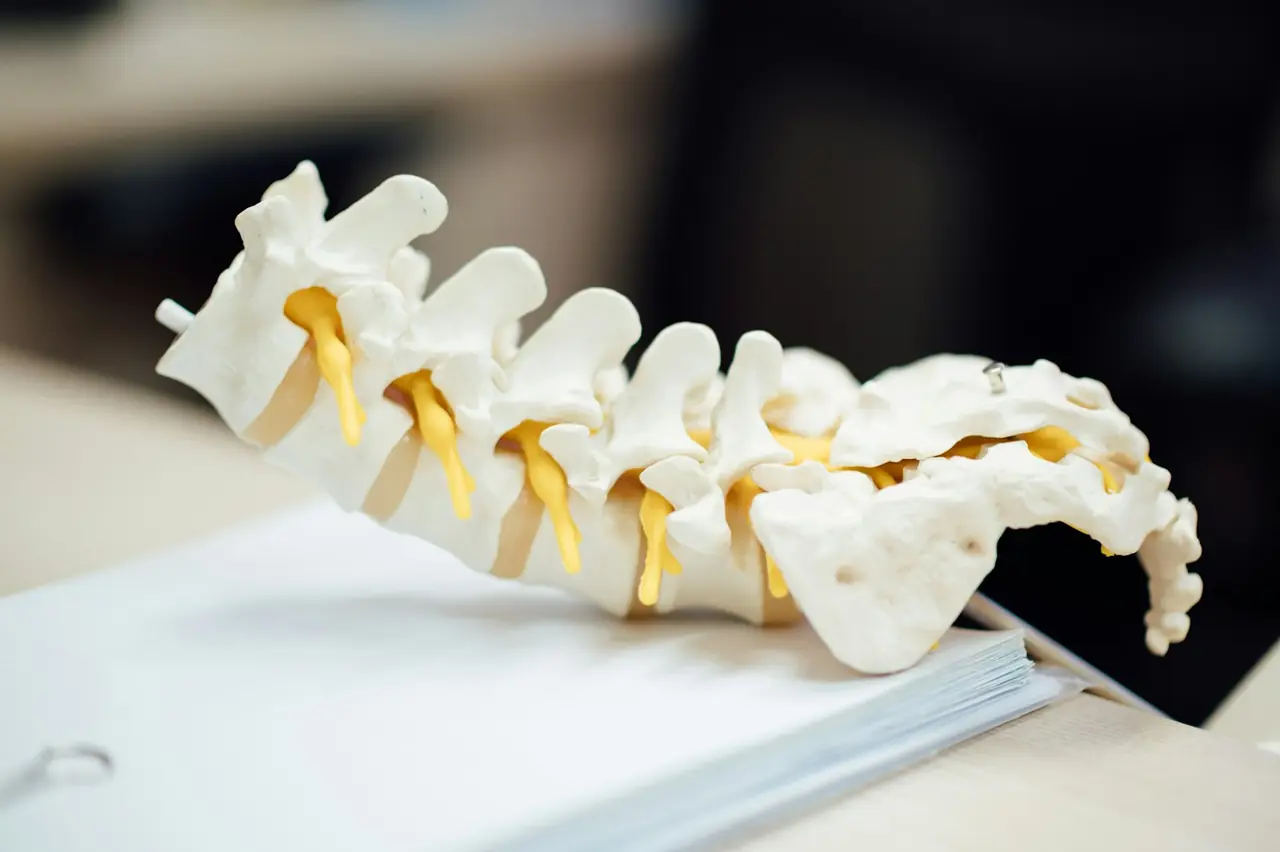
Your spine is a stack of vertebrae. In the front, each pair of vertebrae is separated by a cushioning disc. In the back, each level is connected by a pair of small joints — one on the left and one on the right — called facet joints (also known as zygapophyseal joints). There are facet joints at nearly every level of the spine, from the neck down to the low back.
Facet joints work like small hinges. They guide and limit how the spine moves, allowing you to bend, twist, and lean back while preventing excessive motion. Like the knee or hip, each facet joint is lined with cartilage, surrounded by a joint capsule, and filled with lubricating fluid. And like the knee or hip, facet joints can develop arthritis.
Each facet joint is supplied by small sensory nerves called medial branch nerves. These nerves carry pain signals from the joint to the spinal cord and brain. That detail becomes important when we talk about diagnosis and treatment.
What Causes Facet Joint Pain?
The most common cause of facet joint pain is gradual degeneration — facet arthritis, sometimes called facet arthropathy or spondylosis. Over years, cartilage thins, the joint capsule thickens, and bone spurs may form. Several factors can contribute:
- Age-related wear. Facet arthritis becomes more common with each decade.
- Disc degeneration. When a disc loses height, more load shifts to the facet joints behind it.
- Injury. Whiplash and other trauma can injure the facet joints of the neck or back.
- Repetitive strain. Jobs or sports with frequent twisting, bending backward, or heavy lifting.
- Posture and weight. Extra body weight and prolonged postures can increase load on the lower spine.
Facet arthritis often appears alongside other spine changes. Enlarged facet joints and bone spurs can, for example, narrow the space around nerves and contribute to spinal stenosis. That is why a careful evaluation looks at the whole spine rather than a single finding.
US Pain Care — 1-877-940-3501.
Facet Joint Pain Symptoms: The Telltale Pattern
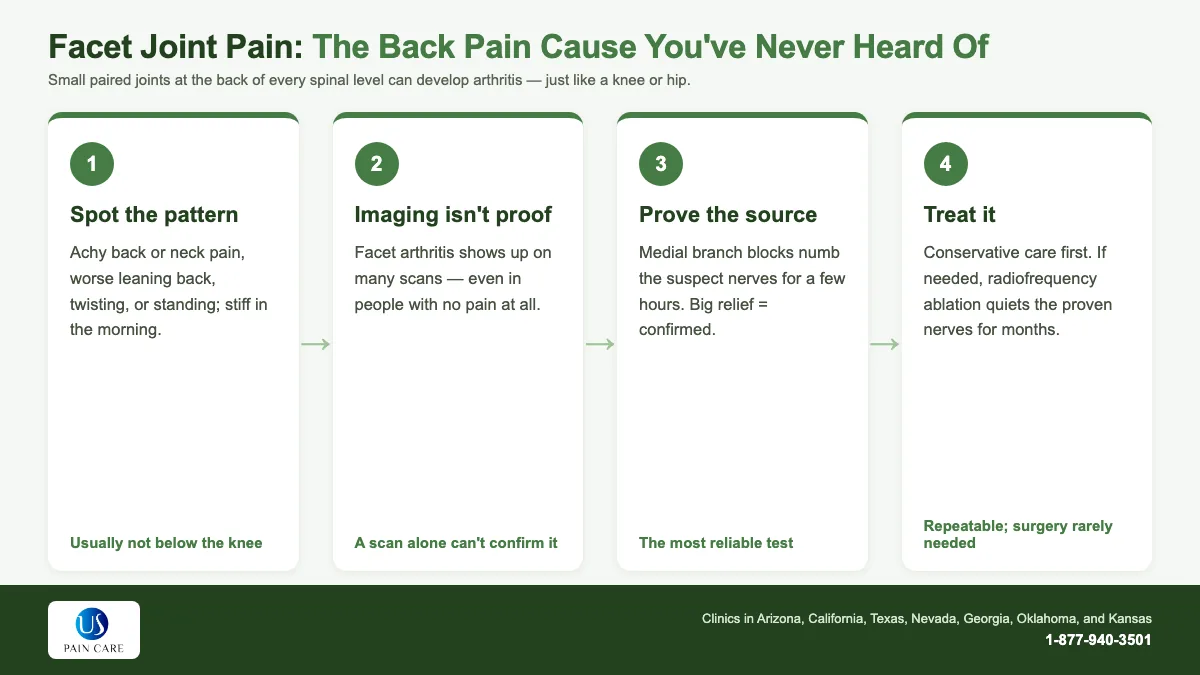
No single symptom proves the facet joints are the problem, but certain patterns raise suspicion. Facet joint pain commonly:
- Stays mostly in the back or neck, sometimes spreading into the buttock or upper thigh (low back) or the shoulder blade and upper back (neck), but usually not below the knee.
- Worsens with leaning backward, twisting, or looking up — movements that compress the facet joints.
- Feels stiff and achy in the morning or after sitting, loosening somewhat with gentle movement.
- Feels tender directly over the joints just to the side of the spine.
- Is aggravated by standing for long periods and sometimes eased by sitting or bending slightly forward.
Compare that to nerve-root pain, which tends to shoot down a leg or arm, often below the knee or elbow, with tingling, numbness, or weakness. That pattern suggests a disc or stenosis problem — such as a herniated disc — and calls for different treatment. Many patients have more than one pain source, which is part of what makes spine care tricky.
Neck versus low back
In the neck, facet problems commonly cause aching at the back of the neck, sometimes spreading to the base of the skull, the shoulders, or between the shoulder blades. Some patients notice headaches that start at the back of the head, and turning the head to check a blind spot while driving can be especially uncomfortable. Neck facet pain is a well-recognized source of lingering symptoms after whiplash injuries. In the low back, the pain is more often felt across the belt line, sometimes on one side more than the other, with spread into the buttock or the back of the thigh. Standing at a counter, walking downhill, or arching backward to reach a high shelf are classic aggravators.
Back pain that’s worse when you lean back or twist?
Our physician-owned team pinpoints the source of your pain — and starts with conservative care first.
Or call 1-877-940-3501
Clinics in Arizona, California, Texas, Nevada, Georgia, Oklahoma, and Kansas
How Facet Joint Pain Is Diagnosed
Here is the part most people have never heard: you cannot reliably diagnose facet joint pain from an X-ray or MRI alone. Facet arthritis is extremely common on imaging, including in people who have no back pain at all. Seeing arthritis on a scan tells us the joints are worn — not that they are the source of your pain.
A careful diagnosis usually combines:
- History and symptom pattern. Where the pain is, what makes it worse or better, and how long it has lasted.
- Physical examination. Testing movements, tenderness, strength, reflexes, and sensation, and checking for signs of nerve involvement.
- Imaging when appropriate. Helpful for ruling out other problems and planning treatment, but not definitive on its own.
- Diagnostic nerve blocks. The most reliable way to confirm the source.
A medial branch block places a small amount of numbing medicine on the medial branch nerves that serve the suspected joints, under X-ray guidance. If your typical pain drops substantially for the few hours the anesthetic lasts, that strongly suggests those facet joints are the pain generator. If not, we have learned something valuable and can look elsewhere. Many physicians perform two confirmatory blocks before moving to longer-lasting treatment.
For a broader, independent overview of back pain causes and evaluation, the MedlinePlus back pain resource is a trustworthy reference.
Treating Facet Arthritis: Conservative Care First
Most people with facet-related pain start — and many finish — with conservative care. At US Pain Care, a physician-owned practice, this is always step one:
- Physical therapy that strengthens core and hip muscles, improves flexibility, and teaches movement patterns that reduce strain on the facets. Exercises that favor gentle forward bending often feel better than those emphasizing extension.
- Activity modification — not bed rest, but adjusting the movements and postures that aggravate the joints while staying active.
- Medications such as anti-inflammatories or acetaminophen, when they are safe for you, and topical options.
- Weight management and general fitness, which reduce the load the spine carries every day.
- Sleep and stress support, because chronic pain and poor sleep reinforce each other.
Conservative care often takes several weeks to show its full effect. Give it a fair trial before deciding it has not worked.
Interventional Treatments When Conservative Care Is Not Enough
When pain persists despite conservative care and testing points to the facet joints, targeted procedures can help. These are part of our interventional pain management approach:
- Facet joint injections. Anti-inflammatory medication and numbing medicine are placed directly into the joint. Relief varies, and the injection can also serve a diagnostic purpose.
- Medial branch blocks. Primarily diagnostic, as described above, though some patients experience relief beyond the expected few hours.
- Radiofrequency ablation. When blocks confirm the source, controlled heat interrupts the medial branch nerves so they stop carrying pain signals. Relief commonly lasts many months, and the procedure can be repeated as the nerves regrow.
These procedures do not cure arthritis — the joints themselves remain unchanged. What they offer is a window of reduced pain in which exercise and rehabilitation can finally take hold. Surgery is rarely needed for isolated facet arthritis. And if your pain has a nerve-root component as well, an epidural steroid injection may be part of the plan.
Living Well With Facet Arthritis
Facet arthritis is a long-term condition, but it rarely has to define your life. Most patients who stay active, keep their core and hip muscles strong, and get targeted help when flares persist can continue working, exercising, and enjoying their usual activities. The key is an accurate diagnosis — because once you know the facet joints are the source, treatment becomes much more focused and much more likely to help.
A few daily habits make a noticeable difference for many of my patients: breaking up long periods of standing or sitting with short movement breaks, using a footrest or a slightly bent-knee stance when standing for long periods, setting up computer screens at eye level to avoid craning the neck, and keeping up a regular strengthening routine even when pain is low. Flares still happen, but a plan for them — heat, gentle movement, a short course of medication if your physician approves, and a call to your care team if a flare does not settle — keeps a bad week from turning into a bad season.
Find out what’s really behind your back pain.
Careful diagnosis, conservative care first, and targeted procedures only when testing shows they will help.
Or call 1-877-940-3501
Clinics in Arizona, California, Texas, Nevada, Georgia, Oklahoma, and Kansas
Frequently Asked Questions
What does facet joint pain feel like?
It is usually a dull, aching pain in the low back or neck, sometimes spreading to the buttocks or shoulders but rarely below the knee. It often worsens with leaning backward, twisting, or standing for long periods, and many people feel stiffest in the morning.
Can an MRI show facet joint pain?
An MRI or X-ray can show facet arthritis, but arthritis on imaging is common even in people without pain. Imaging cannot prove the facets are causing your symptoms. Diagnostic medial branch blocks are generally considered the most reliable way to confirm it.
Is facet joint pain permanent?
The underlying arthritis does not reverse, but symptoms often fluctuate and can be managed well. Many people improve with physical therapy and activity changes, and those who do not often get lasting relief from targeted procedures such as radiofrequency ablation, which can be repeated.
Do I need surgery for facet arthritis?
Rarely. Isolated facet arthritis is usually treated without surgery. Surgery may be considered when facet changes contribute to significant nerve compression or spinal instability, but that is a separate situation. To discuss your options with a physician, call 1-877-940-3501.
— Dr. Paul Lynch is a double board-certified pain physician and anesthesiologist. US Pain Care is a physician-owned national pain care network. Connect with him on LinkedIn.
This article is for educational purposes only and is not medical advice. It does not replace an evaluation by a qualified clinician who can examine you and review your history. If you have severe, sudden, or rapidly worsening symptoms — or any loss of bowel or bladder control, new weakness, fever, or pain after major trauma — seek medical care immediately.
Related Posts
-
The Definitive Guide to the Best Essential Oil for Osteoarthritis
-
Stem Cells and Beyond – Regenerative Medicine for Your Aching Back
-
Pain Relief, No Narcotics: A Comprehensive Look at Your Options
-
Battle of the Bottles: Finding the Best Medicine for Swelling and Pain
-
From Ache to Awesome: Discovering Your Best Low Back Pain Treatments