
Table of Contents
- Understanding Rheumatoid Arthritis
- The Importance of Early Management
- Medical Treatments for RA Pain
- Lifestyle Tips for RA Pain Management
- Stress Management for RA
- Complementary Therapies for RA Pain
- Managing RA Flares
- Building a Pain Management Toolkit
- Final Thoughts
Rheumatoid Arthritis Pain Management Tips
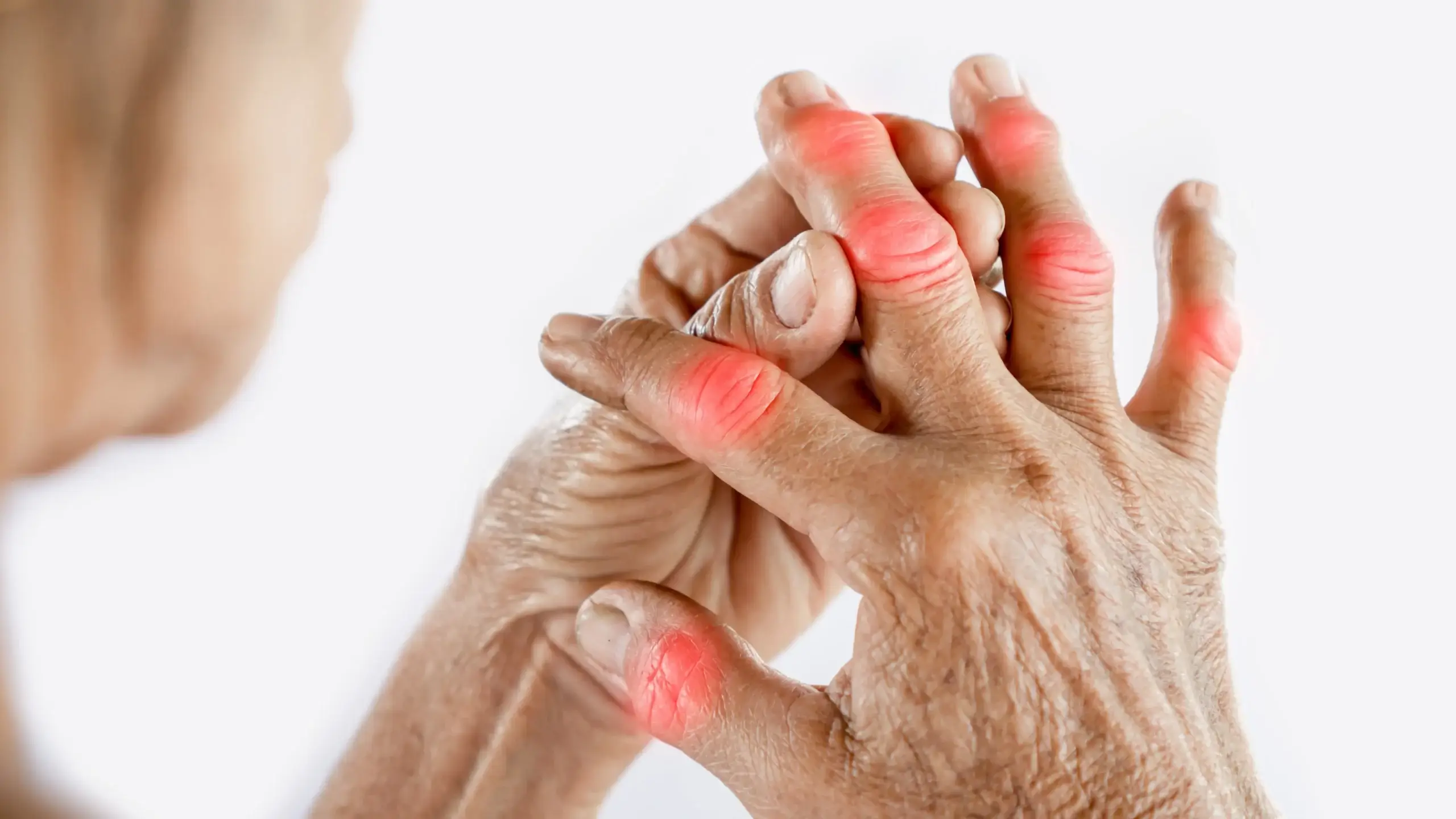
Rheumatoid arthritis (RA) is an autoimmune disease in which the immune system attacks the lining of the joints, causing pain, swelling, and stiffness that often affects the hands, wrists, and feet on both sides of the body. It affects about 1.5 million people in the United States, most often women, according to the Arthritis Foundation. While a rheumatologist manages the disease itself, the pain specialists at US Pain Care diagnose and treat the joint pain RA leaves behind, helping you stay active and comfortable.
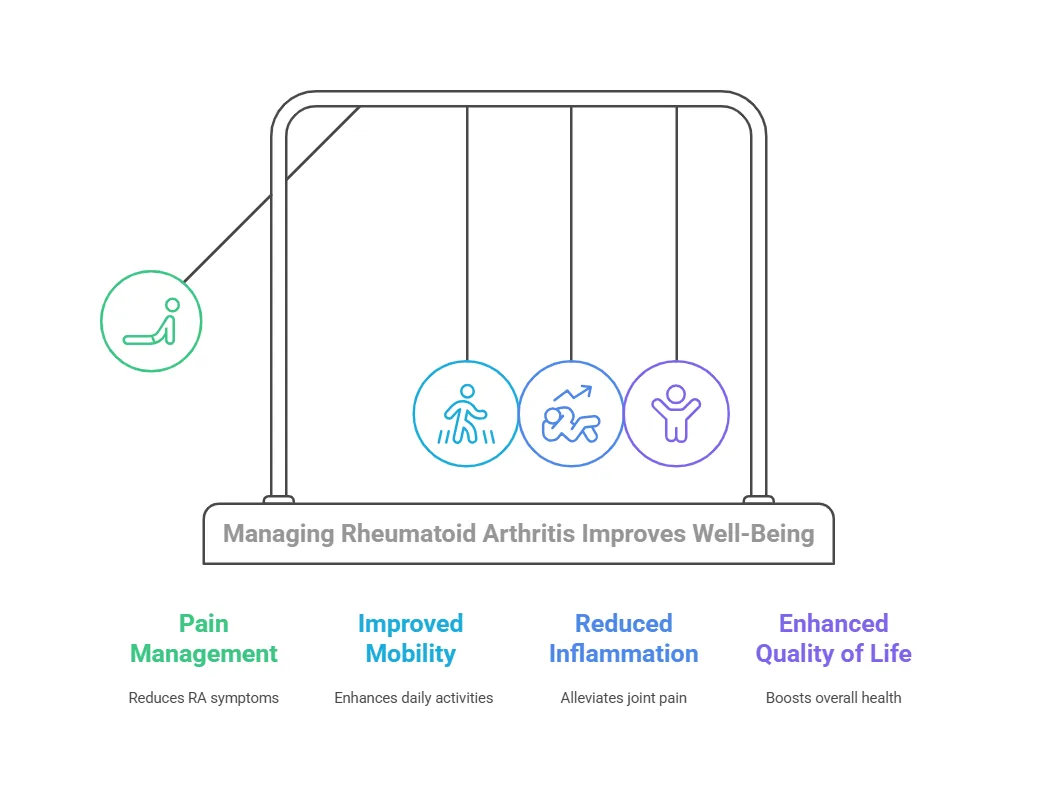
Rheumatoid arthritis (RA) is a chronic autoimmune disorder that doesn’t just attack your joints—it can impact your overall well-being. The condition leads to inflammation, swelling, stiffness, and pain in the joints, often making daily activities a challenge. Living with RA requires a proactive approach to managing pain and maintaining mobility, and the good news is that there are many strategies to help you take control of your symptoms.
In this article, we’ll explore effective rheumatoid arthritis pain management tips that focus on medical treatments, lifestyle changes, and holistic approaches. Whether you’ve just been diagnosed or have been navigating RA for years, these tips are designed to empower you with actionable solutions.
Understanding Rheumatoid Arthritis
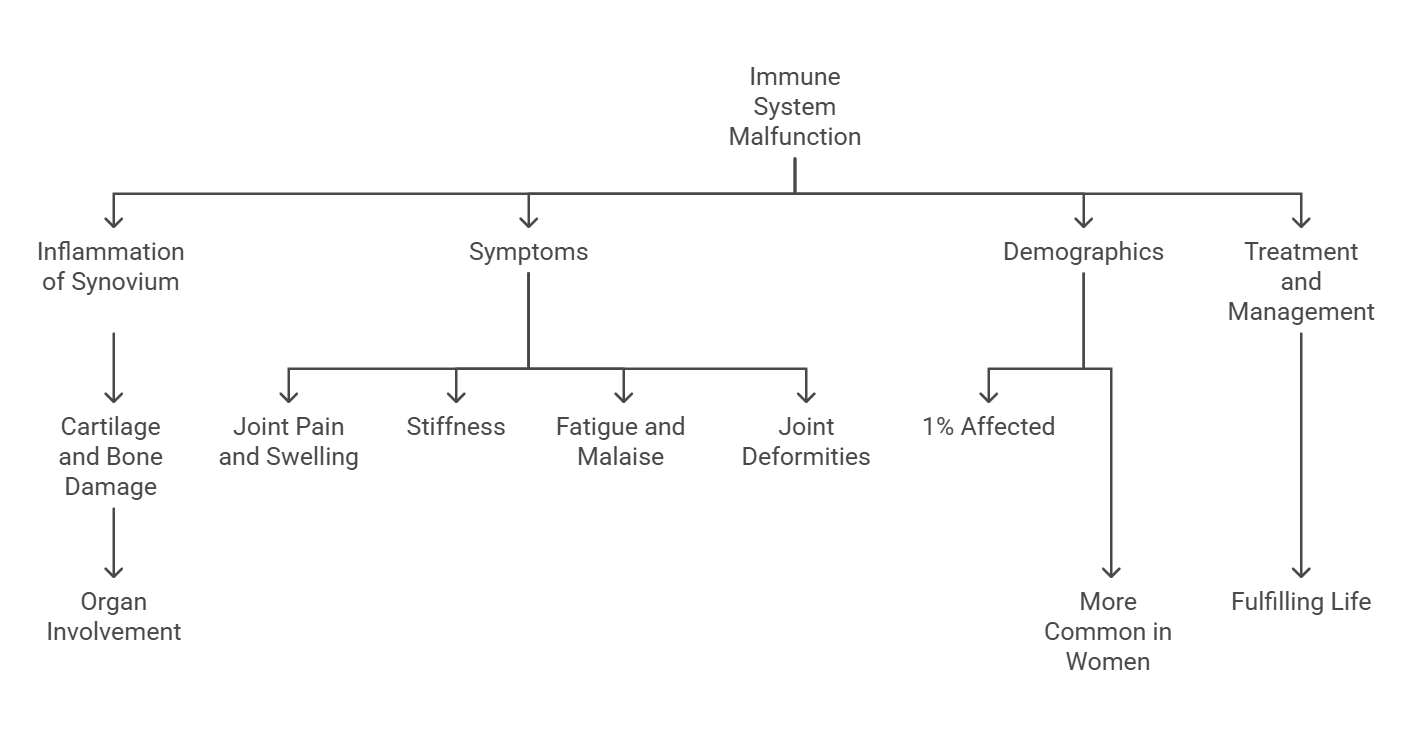
Rheumatoid arthritis is an autoimmune condition where the immune system mistakenly attacks the synovium—the lining of the membranes surrounding the joints. This causes inflammation that can damage cartilage, bones, and even other organs if left untreated.
Key symptoms of RA include:
- Joint pain and swelling, typically affecting both sides of the body symmetrically.
- Stiffness, especially in the morning or after periods of inactivity.
- Fatigue, fever, and general malaise.
- Joint deformities or reduced mobility in severe cases.
RA affects approximately 1% of the population and is more common in women than men. The National Institute of Arthritis and Musculoskeletal and Skin Diseases (NIAMS) reports that about two to three times as many women as men have the disease, and the Arthritis Foundation notes that in women it most commonly begins between ages 30 and 60. While there’s no cure, effective pain management and treatment can help you lead a fulfilling life.
How RA Pain Differs From Wear-and-Tear Arthritis
RA is an inflammatory disease, which makes its pain pattern different from osteoarthritis, the more common wear-and-tear form of arthritis. NIAMS describes several features that point toward RA:
- Pain both at rest and with movement, with tenderness, swelling, and warmth in the joint
- Morning stiffness that lasts longer than 30 minutes
- A symmetrical pattern, so if one hand is affected the other often is too
- Frequent involvement of the wrists, hands, and feet
Our guide to treating arthritis pain compares the main types of arthritis in more detail.
Causes and Risk Factors
The exact cause of RA is not fully understood, but researchers believe it develops from a combination of genes and environmental factors. According to the CDC, factors linked to a higher risk of RA include:
- Older age, with risk highest among adults 50 to 59
- Female sex
- Smoking, and exposure to parental smoking during childhood
- Certain inherited genes, such as HLA class II genes
- Lower household income
How Rheumatoid Arthritis Is Diagnosed
There is no single test that confirms RA. Doctors usually combine several pieces of information:
- A detailed history of when the pain started, which joints are involved, and how long morning stiffness lasts
- A physical exam checking for swelling, warmth, tenderness, and range of motion
- Blood tests that look for inflammation and for antibodies commonly found in RA
- Imaging such as X-rays or ultrasound to look for joint inflammation or damage
A rheumatologist typically confirms the diagnosis and leads disease-modifying treatment, and a pain specialist may join your care team when joint pain persists.
The Importance of Early Management
Early diagnosis and intervention are critical in preventing joint damage and slowing the progression of RA. If you’re experiencing persistent joint pain or stiffness, don’t ignore it—consult a rheumatologist for a proper diagnosis. Once RA is confirmed, a personalized treatment plan can make a world of difference in managing pain and preserving joint function.
Medical Treatments for RA Pain
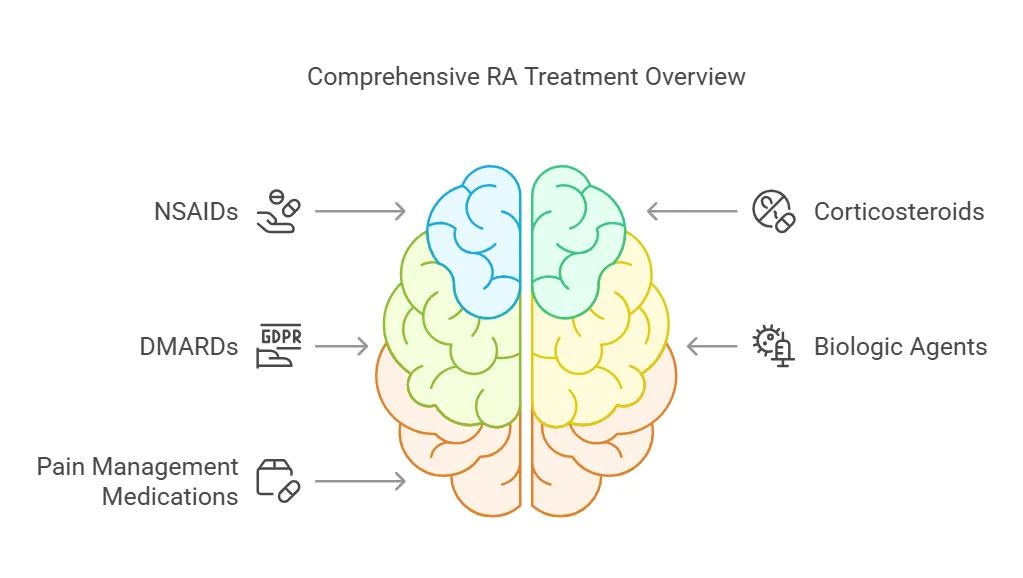
Modern medicine offers a variety of treatments to help manage RA pain and inflammation.
1. Nonsteroidal Anti-Inflammatory Drugs (NSAIDs)
NSAIDs like ibuprofen and naproxen are commonly used to relieve inflammation and pain. These medications are effective for short-term symptom relief but should be used cautiously due to potential gastrointestinal and cardiovascular side effects.
2. Corticosteroids
Drugs like prednisone can quickly reduce inflammation and pain. However, long-term use is not recommended due to potential side effects, including weight gain, bone thinning, and increased susceptibility to infections.
3. Disease-Modifying Antirheumatic Drugs (DMARDs)
DMARDs, such as methotrexate, target the underlying autoimmune process, slowing the disease’s progression and preventing joint damage. They are often a cornerstone of RA treatment.
4. Biologic Agents
Biologic DMARDs, like adalimumab (Humira) or etanercept (Enbrel), target specific pathways in the immune system to reduce inflammation. These are typically prescribed for people who don’t respond well to traditional DMARDs.
5. Pain Management Medications
In some cases, medications like acetaminophen or tramadol may be prescribed to manage pain.
Tip: Always discuss the risks and benefits of medications with your healthcare provider to find the best combination for your needs.
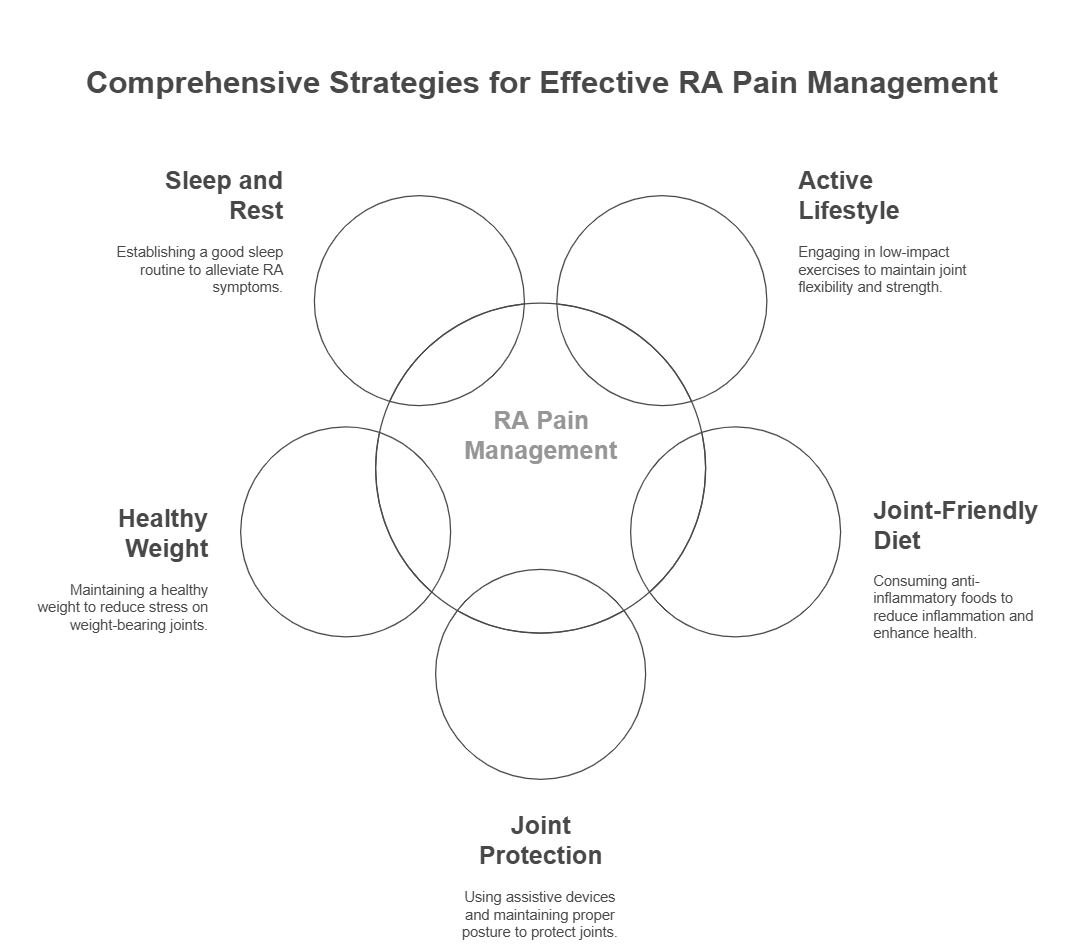
Lifestyle Tips for RA Pain Management
In addition to medical treatments, lifestyle changes play a vital role in managing RA pain.
1. Maintain an Active Lifestyle
Regular exercise helps keep joints flexible and strengthens the muscles around them, reducing strain. The CDC recommends that adults, including those with arthritis, aim for at least 150 minutes a week of moderate-intensity aerobic activity plus muscle-strengthening activity at least 2 days a week, and notes that even 5 or 10 minutes at a time is beneficial. Aim for low-impact activities that are gentle on your joints, such as:
- Walking: Promotes circulation and joint mobility.
- Swimming or Water Aerobics: Provides resistance training without joint strain.
- Yoga or Tai Chi: Enhances flexibility, balance, and relaxation.
Start slow and listen to your body—pushing too hard can lead to flares.
2. Adopt a Joint-Friendly Diet
Your diet can significantly impact inflammation and overall health. Incorporate anti-inflammatory foods while avoiding triggers.
- Foods to Include:
- Fatty fish (e.g., salmon, mackerel) rich in omega-3 fatty acids.
- Fresh fruits and vegetables, especially leafy greens and berries.
- Nuts and seeds for healthy fats.
- Whole grains like quinoa and oats.
- Olive oil as a primary fat source.
- Foods to Avoid:
- Processed and fried foods.
- Sugary drinks and snacks.
- Excess red meat or trans fats.
Staying hydrated is equally important—drink plenty of water throughout the day.
3. Protect Your Joints
Preserving joint health is crucial for long-term RA management.
- Use assistive devices like jar openers or ergonomic tools to reduce strain on your hands.
- Avoid repetitive motions that stress your joints.
- Pay attention to your posture, especially if you sit for long periods.
4. Maintain a Healthy Weight
Carrying excess weight can place additional stress on weight-bearing joints like the knees and hips. Losing even a small amount of weight can significantly reduce joint pain and improve mobility.
5. Prioritize Sleep and Rest
Poor sleep can exacerbate RA symptoms, so establishing a good sleep routine is essential.
- Go to bed at the same time every night.
- Create a comfortable sleep environment—dark, quiet, and cool.
- Avoid screens or caffeine close to bedtime.
On days when you’re feeling particularly fatigued, allow yourself to rest without guilt. Balance is key.
Stress Management for RA
Living with a chronic condition like RA can be emotionally taxing, and stress often worsens pain. Managing stress can help you regain a sense of control and reduce symptom severity.
1. Practice Mindfulness
Mindfulness meditation or breathing exercises can help you manage stress and focus on the present moment.
2. Stay Connected
A strong support system of family, friends, or support groups can help you navigate the challenges of RA. Sharing your experiences with others who understand can be therapeutic.
3. Consider Professional Counseling
A counselor or therapist can help you develop coping strategies and address feelings of frustration or sadness related to your condition.
Complementary Therapies for RA Pain
Many people find relief through complementary and alternative therapies. While these shouldn’t replace medical treatments, they can complement your pain management plan.
1. Physical Therapy
A physical therapist can develop a customized exercise program to improve joint flexibility and strength.
2. Massage Therapy
Gentle massages can relieve muscle tension and promote relaxation.
3. Acupuncture
This traditional Chinese practice may help reduce pain by stimulating specific points in the body.
4. Heat and Cold Therapy
- Heat: Use a heating pad or warm compress to relax stiff joints and muscles.
- Cold: Ice packs can reduce swelling and numb acute pain.
Managing RA Flares
RA flares—periods when symptoms intensify—can be particularly challenging. Here’s how to handle them:
- Identify Triggers: Track your symptoms to pinpoint what causes flares (e.g., stress, certain foods, or weather changes).
- Rest: Allow your body time to recover.
- Adjust Medications: Work with your doctor to modify your treatment during a flare.
- Use Pain Relief Techniques: Heat, cold, and gentle stretching can help alleviate discomfort.
When to See a Pain Specialist
If you already have an RA diagnosis, consider seeing a pain specialist when:
- Joint pain continues even though your rheumatologist says the inflammation is well controlled
- Pain is limiting sleep, work, exercise, or self-care
- You have pain in your back, neck, or nerves in addition to RA
Getting Care at US Pain Care
US Pain Care is a physician-led network of affiliated pain management practices in Arizona, California, Nevada, Texas, Oklahoma, Kansas and Georgia. Your care team can review your RA history and current treatment, examine the joints that hurt most, and build a pain plan that works alongside your rheumatologist’s care. To get started, book your appointment online, call 1-877-940-3501, or find a location near you on our locations page.
Frequently Asked Questions
Can rheumatoid arthritis pain be managed without daily pain pills?
Yes, for many people a combination of approaches reduces the need for daily pain pills. Disease-modifying medicines that control inflammation are the foundation. On top of that, exercise, heat and cold, joint protection, sleep habits, and targeted procedures such as joint injections can ease pain. Your care team can help find the mix that suits you.
Is exercise safe if my joints hurt from RA?
Yes, regular exercise is generally safe and helpful for people with RA, and it is one of the best ways to protect joint function. Low-impact choices such as walking, swimming, and tai chi tend to work well. Some soreness when starting is normal, but sharp pain or increased swelling is a signal to scale back and check with your doctor.
How long does an RA flare last?
An RA flare can last anywhere from a few days to several weeks, and the length varies from person to person. Rest, heat or cold, and gentle movement can help in the short term. If flares are frequent or long, talk with your rheumatologist, because it may mean your treatment plan needs to be adjusted.
Do joint injections help rheumatoid arthritis pain?
Joint injections may help when one or a few joints remain painful and swollen despite medication. The injection places anti-inflammatory medicine directly into the joint, which may calm local inflammation for a period of time. Relief varies, and injections are usually limited in how often they can be repeated, so they work best as part of a broader plan.
What is the difference between a rheumatologist and a pain specialist for RA?
A rheumatologist diagnoses RA and prescribes medicines that control the underlying immune disease. A pain specialist focuses on relieving pain and improving function, using procedures, therapy, and medication strategies. Many people with RA benefit from both, especially when pain persists after inflammation is under control or when other pain conditions are also present.
Final Thoughts
Managing rheumatoid arthritis pain is about finding a balance between medical treatments, lifestyle changes, and emotional well-being. While RA can be a lifelong challenge, it doesn’t have to define your life. With the right strategies and support, you can minimize pain, maintain mobility, and continue doing the things you love.
Remember, every person’s journey with RA is unique. Stay open to trying new approaches, listen to your body, and don’t hesitate to seek help when needed. Living well with RA is possible—it starts with understanding your condition and taking the first step toward managing it effectively.