 By Dr. Paul Lynch, double board-certified pain physician and anesthesiologist
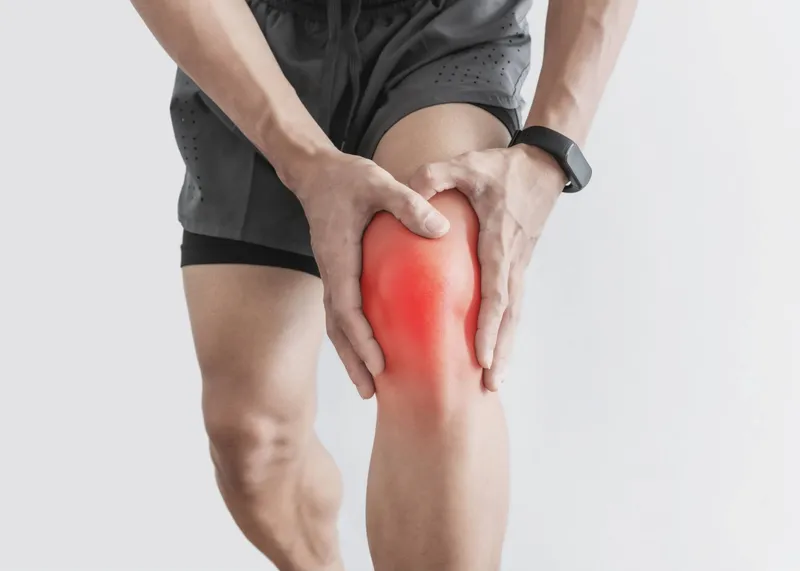
Knee pain without injury usually has a real, findable cause. Arthritis, irritation around the kneecap, a sore tendon, an inflamed bursa, age-related cartilage changes, gout, or a problem in the hip or back can all make a knee hurt with no fall or twist to blame.
You did not trip, collide with anything, or land badly, yet your knee aches on the stairs, stiffens after a movie, or bothers you at night. That can feel confusing, and a little worrying. In my practice as a double board-certified pain physician and anesthesiologist, I find that “no injury” rarely means “no cause.”
Here are seven common causes, the warning signs that need prompt care, and how to know when imaging is likely to help.
Why Knee Pain Without Injury Happens
The knee depends on cartilage, tendons, ligaments, bursae and muscles all working in balance. When one part wears, gets overloaded or becomes inflamed, pain can build slowly instead of starting at one clear moment.
The MedlinePlus guide to knee pain groups the causes into two broad families. Some are medical conditions, such as osteoarthritis, rheumatoid arthritis and gout. Others come from overuse, such as bursitis, tendinitis, iliotibial band syndrome and patellofemoral syndrome.
Overuse does not require a dramatic event. A new workout, a long hike, a job with frequent kneeling, or a busy week on your feet can be enough to tip an irritated knee into steady pain.
Common contributors include:
- Age-related joint changes
- A sudden jump in activity
- Extra body weight
- Weak thigh and hip muscles
- Conditions that affect many joints
When patients ask me why their knee started hurting “out of nowhere,” I usually start with these questions: what changed in your activity, where exactly does it hurt, and what makes it better or worse.
7 Causes of Knee Pain Without Injury
Each cause below has its own pattern of clues. Sorting out which one fits is the first step toward the right plan.
1. Knee Osteoarthritis
Osteoarthritis is the most common type of arthritis, and it becomes more common with age. According to the National Institute of Arthritis and Musculoskeletal and Skin Diseases, it causes pain with use that may ease with rest, stiffness after rest that usually lasts less than 30 minutes, and swelling after a lot of activity. Some people hear a grinding noise when the knee moves.
NIAMS also notes that osteoarthritis does not happen because of simple wear and tear. Risk factors include aging, extra weight, past joint injury or surgery, repetitive joint use, and family history, and women are more likely to develop it, especially after age 50.
2. Patellofemoral Pain Syndrome
Patellofemoral pain is a dull ache in the front of the knee, around the kneecap, that usually starts gradually. The OrthoInfo guide to patellofemoral pain syndrome from the American Academy of Orthopaedic Surgeons says it often worsens with stairs, running, jumping and squatting, or after sitting a long time with the knees bent, such as in a movie theater, car or airplane.
It is common in athletes, especially young adults and women, but nonathletes get it too. Weak or imbalanced quadriceps and hip muscles can affect how the kneecap tracks, and OrthoInfo notes that most cases can be treated without surgery.
3. Tendon Irritation
Tendinitis is irritation of a tendon, the tissue that attaches muscle to bone. Around the knee, the patellar tendon just below the kneecap is a common site. It can follow overuse, and tendons also lose elasticity with age.
Pain usually sits along the tendon near the joint and is worse with movement or activity. On the outside of the knee, iliotibial band syndrome can cause a similar overuse pattern. A sudden increase in jumping, running or squatting is a frequent trigger, so ramping activity up gradually is a sensible habit.
4. Knee Bursitis
Bursae are small fluid-filled sacs that cushion the knee. Prepatellar bursitis, in front of the kneecap, is often linked to frequent kneeling and causes quick swelling, tenderness and warmth over the kneecap. Kneeling pads can reduce that pressure if your work or hobbies keep you on your knees.
Pes anserine bursitis sits on the inner side of the knee, a few inches below the joint. The Cleveland Clinic overview of pes anserine bursitis lists knee osteoarthritis, extra weight and diabetes as risk factors, with pain that often worsens on stairs or when rising from a chair.
5. Degenerative Meniscus Tears
The menisci are C-shaped cartilage pads that cushion the knee. In younger people, tears usually follow a twisting injury. With age, the tissue weakens, and an awkward twist while getting up from a chair may be enough to tear it.
Common symptoms include pain, stiffness, swelling, catching or locking, and a feeling that the knee may give way. Because the tear can happen during an ordinary movement, many people do not remember an injury at all.
6. Gout and Inflammatory Arthritis
Gout is a type of inflammatory arthritis caused by uric acid crystals in the joint. It usually affects one joint at a time, and it can involve the knee. Flares often start suddenly, sometimes at night, with intense pain, swelling, redness and warmth.
Pseudogout, also called calcium pyrophosphate arthritis, causes similar flares from calcium crystals. Rheumatoid arthritis and other inflammatory conditions can also affect the knees. These conditions need a medical diagnosis, which may include testing fluid drawn from the joint.
7. Pain From the Hip or Back
Sometimes the knee is not the source. Hip problems can cause pain felt in the groin, thigh or knee, and a problem in the lower back can send pain toward the hip and leg.
Clues include knee pain that does not change much when the knee itself is pressed or moved, pain in the back or groin, or numbness and tingling. Our guides to hip pain and sciatica explain these patterns, and a careful exam of the hip and spine helps avoid treating the wrong joint.
If knee pain is changing how you walk, sleep or work, a pain specialist can help find the cause. Book an evaluation or call 1-877-940-3501.
Warning Signs
Most knee pain without injury can be checked at a routine visit. MedlinePlus advises contacting a provider promptly if you have:
- A knee that cannot bear your weight
- Severe pain even at rest
- A knee that buckles, locks or looks deformed
- Fever, redness, warmth or major swelling
- Calf pain, swelling, numbness or bluish color
- Inability to fully bend or straighten it
A red, hot, swollen bursa with fever or chills can mean infection, which needs prompt treatment. Calf swelling or pain in the same leg also needs prompt attention.
Self-Care While You Wait
If there are no warning signs, simple steps may help a new, mild flare while you arrange a visit. These suggestions follow MedlinePlus advice for home care of knee pain.
Rest and Adjust
Cut back on the specific activity that provokes pain, such as deep squats, kneeling or long downhill walks. Lower-impact activities and softer surfaces may be easier on the knee while it settles.
Ice and Elevation
Ice for up to 15 minutes at a time, with a towel between the ice and your skin, and keep the knee raised when you can. A pillow under or between your knees may make sleep more comfortable.
Over-the-Counter Medicine
Ibuprofen or naproxen may ease pain and swelling, and acetaminophen may ease pain. Check with a provider first if you have other health problems or have needed these for more than a day or two.
Keep a Simple Log
Note when the pain started, what makes it better or worse, any swelling, and whether it wakes you at night. These details are useful at your visit.
MedlinePlus suggests contacting a provider if pain continues after 3 days of home treatment.
When to Get Imaging
Many people expect an MRI right away. In my experience, imaging helps most when its result is likely to change the plan, and a careful history and exam often point to the cause first.
Exam First
NIAMS explains that doctors do not rely on one test. They review your symptoms, health history and medications, then examine the affected joint before deciding which tests, if any, are needed.
When X-Rays Help
X-rays are often the first imaging step for persistent knee pain. They can show joint space narrowing, bone changes and bone spurs from arthritis, although early joint damage does not usually appear on X-rays. An X-ray will not show a meniscus tear, but it can check for other causes such as osteoarthritis.
When an MRI May Help
An MRI can show soft tissue damage that X-rays miss. NIAMS notes it is especially useful for a joint that is locking or giving way. It may also be considered when pain continues despite treatment or the diagnosis remains unclear.
When Other Tests Help
If gout, inflammatory arthritis or infection is possible, blood tests or a small sample of joint fluid may be more useful than a picture. If the hip or spine may be involved, those areas may need evaluation instead of, or along with, the knee.
Treatment Options to Discuss
Most knee pain is treated without surgery. Plans usually start with the least invasive options likely to help, and add more targeted care only when an evaluation shows it may be needed.
Strength and Movement
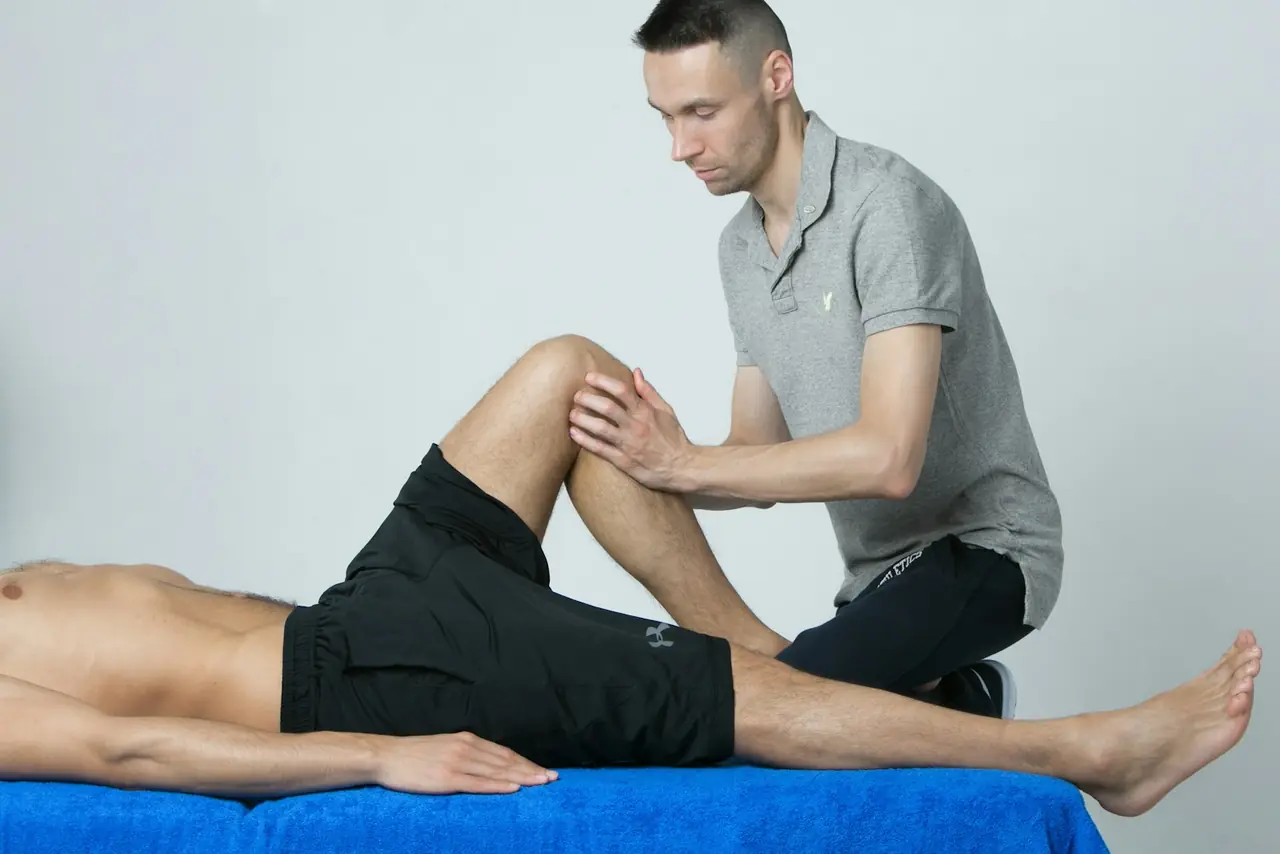
For osteoarthritis, NIAMS notes that exercise can reduce joint pain and stiffness and build strength. Your physician may refer you to a physical therapist for a program focused on thigh, hip and core strength, which can also help kneecap tracking.
Weight and Activity
Managing your weight can reduce stress on weight-bearing joints like the knees. Staying active in comfortable ways, such as cycling or swimming, usually works better than complete rest.
Medicines
Oral pain relievers, anti-inflammatory medicines and topical creams may help when they suit your health history. Your physician can help you weigh benefits and risks.
Injections
Depending on the diagnosis, options may include corticosteroid injections for temporary relief, hyaluronic acid for knee osteoarthritis, or platelet-rich plasma therapy for some tendon problems and mild to moderate arthritis. Our knee injections page explains each type.
Nerve-Targeted Procedures
For long-lasting arthritis pain in the knee, radiofrequency ablation uses controlled heat to quiet the small nerves that carry pain signals from the joint. It may help adults who got good but temporary relief from a diagnostic nerve block.
Surgery in Select Cases
When other treatments are not helping and joint damage is extensive, some people may consider surgery, such as joint replacement. A thorough nonsurgical plan usually comes first.
When to See a Pain Specialist
Consider an evaluation with a pain specialist if your knee pain:
- Lasts more than a few weeks
- Keeps coming back
- Limits walking, work or sleep
- Comes with swelling, locking or giving way
- Has not improved with home care
A pain specialist looks at the whole picture, including the hip and spine, and can coordinate imaging, medications, injections and referrals so that care fits your diagnosis.
US Pain Care physicians in Arizona, California, Nevada, Texas, Oklahoma, Kansas and Georgia evaluate knee pain like this regularly. In Arizona, for example, US Pain Care’s member practice Pain Arizona has clinics in Scottsdale, Mesa and Glendale.
Getting Care at US Pain Care
US Pain Care is a physician-led network of pain management practices. Your visit starts with a review of your symptoms, an exam of the knee, hip and back, and a plain-language talk about whether imaging or other tests would change your plan.
From there, your pain specialist can help find what is driving your knee pain and discuss options such as knee injections or radiofrequency ablation when they fit.
To get started, find a location near you, then book your appointment online or call 1-877-940-3501.
Book Your AppointmentTrusted Information
Medical references:
- MedlinePlus: Knee Pain
- MedlinePlus: Hip Pain
- MedlinePlus: Tendinitis
- MedlinePlus: Gout
- NIAMS: Osteoarthritis
- NIAMS: Osteoarthritis Diagnosis, Treatment, and Steps to Take
- OrthoInfo (AAOS): Patellofemoral Pain Syndrome
- OrthoInfo (AAOS): Prepatellar (Kneecap) Bursitis
- OrthoInfo (AAOS): Meniscus Tears
- Cleveland Clinic: Pes Anserine Bursitis
Related US Pain Care resources: Knee pain · Osteoarthritis · Tendinitis · Hip pain · Sciatica · Knee injections · Platelet-rich plasma therapy · Radiofrequency ablation.
This article is for general education and does not replace an individualized medical evaluation by your physician.
Frequently Asked Questions
Why does my knee hurt when I didn’t injure it?
Common causes include osteoarthritis, patellofemoral pain around the kneecap, tendon irritation, bursitis, age-related meniscus tears, gout and pain coming from the hip or lower back. A recent increase in activity, frequent kneeling or extra body weight is often part of the story. An exam usually narrows the list quickly.
Do I need an MRI for knee pain without injury?
Not always right away. Many causes can be identified with a history and physical exam, and X-rays are often the first imaging step when arthritis is suspected. An MRI may be considered if the knee locks or gives way, pain continues despite treatment, or the diagnosis is still unclear after the exam.
Is walking good for knee pain without injury?
For many people, gentle activity helps, because long rest can lead to stiffness and weaker muscles. If walking clearly worsens your pain, lower-impact options such as cycling or swimming may be easier while you are evaluated. Ask your physician which activities fit your diagnosis and how to build back up safely.
Can knee pain come from the hip?
Yes. Hip problems can cause pain felt in the groin, thigh or knee, and lower back problems can also send pain toward the hip and leg. If pressing or moving the knee does not change your pain much, or you also have groin or back pain, the hip and spine should be checked too.
What does knee pain from arthritis feel like?
Osteoarthritis often causes pain with use that eases with rest, stiffness after sitting or first thing in the morning that usually lasts less than 30 minutes, and swelling after a lot of activity. Some people hear a grinding noise when the knee moves. Pain may become worse at night in later stages.
Why does the front of my knee hurt on stairs?
Pain around the kneecap that worsens on stairs, squatting or after sitting with the knees bent is a classic pattern of patellofemoral pain syndrome. Weak or imbalanced thigh and hip muscles can affect how the kneecap tracks. OrthoInfo notes most cases can be treated without surgery, often with activity changes and strengthening.
Can gout affect the knee?
Yes. Gout usually affects one joint at a time, and while it often starts in the big toe, it can involve the knee. Flares tend to start suddenly, sometimes at night, with intense pain, swelling, redness and warmth. A physician may test fluid from the joint to confirm the diagnosis.
When should I see a doctor for knee pain?
See a clinician if pain continues after a few days of home care, keeps returning, limits daily activities, or comes with swelling, locking or giving way. Seek prompt care for fever, a hot red joint, calf pain or swelling, or inability to bear weight. You can also find US Pain Care clinics in Arizona and six other states.