

Why Non-Opioid Pain Solutions Are Your Best Path Forward
Non-opioid pain solutions for severe chronic back pain include evidence-based medications (NSAIDs, antidepressants, anticonvulsants), physical therapies (exercise, manual therapy, acupuncture), psychological approaches (CBT, mindfulness), and advanced procedures (spinal cord stimulation, radiofrequency ablation). Here’s what works:
Most Effective Non-Opioid Options:
- Medications: Duloxetine, gabapentin, NSAIDs, topical agents
- Physical Therapies: Supervised exercise, yoga, manual therapy
- Psychological: Cognitive behavioral therapy, mindfulness training
- Procedures: Spinal cord stimulation, nerve blocks, radiofrequency ablation
- Emerging: Scrambler therapy, restorative neurostimulation
If you’re one of the millions struggling with severe chronic back pain, you’re not alone. Around 8 in 10 Americans experience back pain at some point in their lives, and for many, it becomes a daily battle that affects work, relationships, and quality of life.
The good news? Major research shows non-opioid treatments can be just as effective as opioids for long-term pain relief. The landmark SPACE trial found that non-opioid medications were as effective as opioids for improving pain-related function over 12 months in patients with chronic back pain – but with fewer side effects.
Current medical guidelines now recommend non-opioid approaches first. The 2022 CDC Clinical Practice Guideline emphasizes that nonpharmacologic therapies such as exercise, yoga, and psychological therapies can improve pain and function without the risk for serious harms associated with opioids.
I’m Dr. Paul Lynch, a double board-certified pain management physician with 17 years of experience treating complex chronic pain conditions. I’ve helped thousands of patients find effective non-opioid pain solutions for severe chronic back pain through comprehensive, evidence-based approaches that address both physical and emotional well-being.

Simple guide to non-opioid pain solutions for severe chronic back pain:
Why this guide matters
Approximately 100 million Americans suffer from chronic pain, making it more costly than diabetes, cardiovascular disease, or cancer in terms of lost productivity. Chronic back pain specifically affects about 50 million people in the United States, creating a devastating cycle where pain leads to reduced activity, muscle weakness, joint stiffness, and increased pain.
Why Choose Non-Opioid Pain Solutions First
When you’re dealing with severe chronic back pain, it’s natural to want the strongest medication available. But here’s what might surprise you: non-opioid pain solutions for severe chronic back pain actually work just as well as opioids for long-term relief – and they’re much safer.
The evidence comes from the groundbreaking SPACE trial, which followed 240 patients with chronic back pain for an entire year. At the end of 12 months, the opioid group had a mean pain-related function score of 3.4 compared to 3.3 in the non-opioid group – essentially identical results. But adverse medication-related symptoms were more common in the opioid group (61%) than in the non-opioid group (48%).
The 2022 CDC Clinical Practice Guideline now strongly recommends non-opioid therapies as first-line treatment for chronic back pain, emphasizing that nonopioid therapies are preferred for subacute and chronic pain.

The risks of long-term opioid use include tolerance (requiring higher doses), physical dependence, respiratory depression, increased fall risk, cognitive impairment, and overdose risk.
When might opioids still be considered?
Opioids might be considered only when all other treatments have failed, the expected benefits clearly outweigh risks, you commit to close monitoring, and there’s a clear exit strategy with gradual tapering. Even when used, they should always be combined with non-opioid approaches.
Non-Opioid Medications That Work for Severe Chronic Back Pain

Non-opioid pain solutions for severe chronic back pain work differently than opioids. Instead of turning down the volume on all pain signals, they target specific parts of the pain system – reducing inflammation, rewiring pain circuits, or changing how your brain processes pain signals.
Chronic back pain involves inflammation, nerve sensitivity, muscle tension, and brain changes. The most effective approach often combines different medications targeting different aspects of this complex pain puzzle.
NSAIDs & Acetaminophen: First-Line Staples
NSAIDs tackle inflammation by blocking prostaglandins that cause pain and nerve sensitivity. Ibuprofen at prescription strength (400-800mg three times daily) provides significant relief. Naproxen lasts longer, requiring only twice-daily dosing. Celecoxib (Celebrex) is gentler on the stomach.
NSAIDs have a “ceiling effect” – taking more doesn’t increase pain relief but does increase side effects. Acetaminophen works differently, affecting brain pain processing. Stay under 3,000mg daily to protect your liver.
Antidepressants & Anticonvulsants: Targeting Nerve-Related Pain
These medications work on nerve pathways that carry both mood and pain signals. Duloxetine (Cymbalta) is FDA-approved for chronic back pain, increasing serotonin and norepinephrine in the spinal cord to block pain signals. Many patients notice improved pain, sleep, and mood.
Gabapentin and pregabalin are effective for burning, shooting pain by calming overactive nerve signals. Tricyclic antidepressants like amitriptyline work at low doses (10-25mg) and help with sleep.
Emerging Options: Low-Dose Naltrexone, Suzetrigine, Journavx
Journavx (suzetrigine) was recently FDA-approved and targets sodium channels in peripheral nerves, blocking pain signals before they reach the spinal cord. Low-dose naltrexone (LDN) at 1.5-4.5mg daily appears to reduce inflammation and modulate the immune system.
Safety Profile & Side Effects
NSAIDs can cause stomach upset (take with food), affect kidneys, and increase blood pressure. Antidepressants may cause initial nausea and dizziness. Anticonvulsants can cause dizziness, fatigue, and weight gain. Acetaminophen can damage the liver at high doses.
Monitoring Progress
We use the PEG scale and functional questionnaires like the Oswestry Disability Index. Regular follow-ups occur every 2-4 weeks initially, then monthly, adjusting doses based on response and side effects.
Evidence-Backed Non-Pharmacologic Therapies for Severe Chronic Back Pain
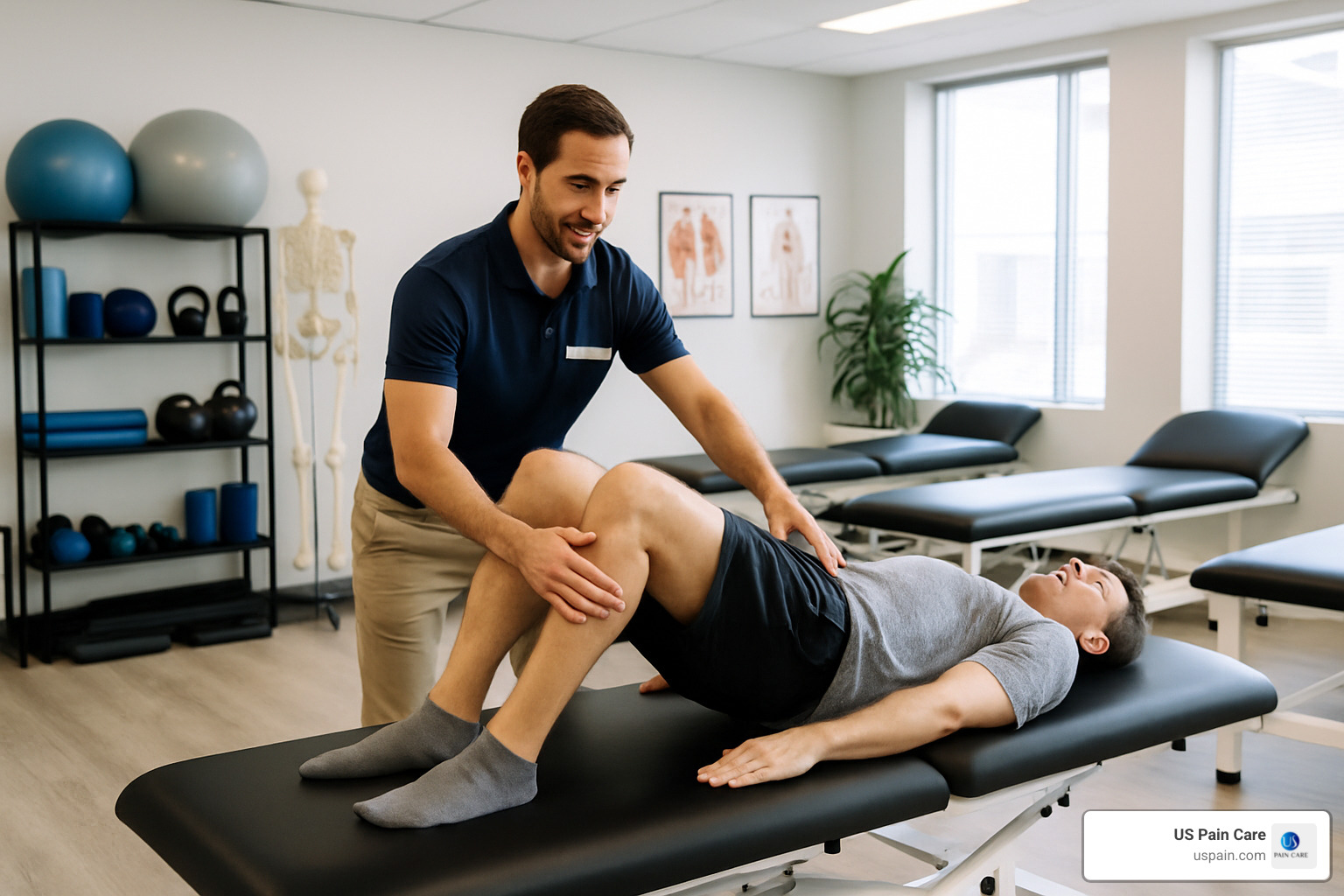
Non-pharmacologic therapies often provide the most sustainable relief for chronic back pain. Research shows professionally supervised exercise therapy is strongly recommended as the primary treatment for chronic, non-specific back pain.
Movement-Based Therapies
Exercise therapy involves specific, progressive programs addressing individual limitations. Supervised exercise combined with education is one of the most effective treatments for chronic back pain.
Core stabilization exercises target deep spinal support muscles that become inhibited in chronic pain. Yoga has strong evidence for reducing pain intensity and improving function. Tai chi combines gentle movement with mindfulness, particularly beneficial for older adults.
Scientific research on exercise benefits consistently shows regular physical activity reduces pain, improves function, and improves quality of life.
Mind-Body & Psychological Approaches
Cognitive Behavioral Therapy (CBT) changes how your brain processes pain signals by identifying and changing negative thought patterns. Acceptance and Commitment Therapy (ACT) helps develop a different relationship with pain. Mindfulness-based stress reduction (MBSR) can change brain structure in pain-processing areas.
Sleep hygiene is crucial – poor sleep amplifies pain while pain disrupts sleep, creating a vicious cycle.
Technology & Device-Based Options
TENS units deliver electrical pulses through skin electrodes. Meta-analysis of 380 studies showed moderate-certainty evidence that TENS reduces pain intensity.
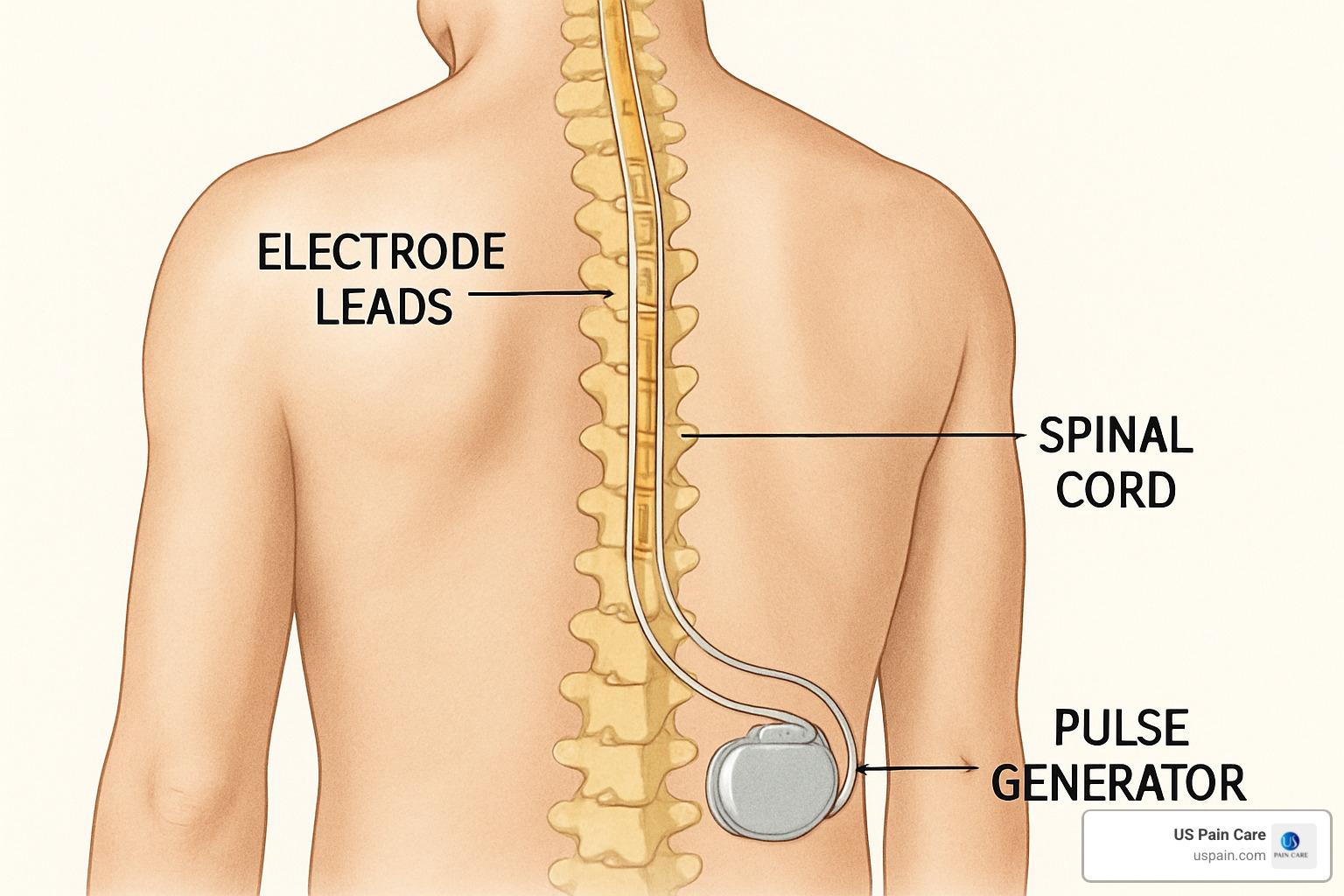
Spinal cord stimulation (SCS) involves implanting a device that sends electrical pulses to interrupt pain signals. High-frequency spinal cord stimulation provides sustained >50% pain relief in >70% of patients with chronic back pain.
Scrambler therapy uses electrical waveforms to “scramble” pain signals, with 80-90% of patients experiencing favorable response.
Interventional Non-Opioid Procedures
Epidural steroid injections deliver anti-inflammatory medication directly to irritated nerve roots. Radiofrequency ablation uses heat to disable pain-transmitting nerves, providing 6-12 months or more of relief. Nerve blocks interrupt pain signals from specific nerves. Basivertebral nerve ablation targets deep vertebral nerves, with 64% of patients reporting 50% or greater pain reduction within one year.
Crafting Your Personalized Non-Opioid Pain Plan
Finding the right non-opioid pain solutions for severe chronic back pain requires a personalized approach. After treating thousands of patients, I’ve learned that successful pain management plans are unique to each individual.
We use a stepped-care model, starting with the safest treatments first. This might begin with NSAIDs and physical therapy before considering intensive interventions. Research shows this approach provides the best success with least risk.
Goal setting focuses on function rather than just pain numbers. What does a good day look like? Maybe grocery shopping without dread or sitting through events comfortably. These functional goals guide our treatment.
Shared decision-making means you’re the CEO of your pain plan. We present evidence and options, but you make decisions based on your priorities. Flare management creates action plans for rough patches, including rescue medications and specific techniques.
Working With Your Care Team on Non-Opioid Pain Solutions for Severe Chronic Back Pain
Effective non-opioid pain solutions for severe chronic back pain work best with coordinated team care. Your pain management physician coordinates care and provides specialized treatments. Your physical therapist develops specific exercise programs. A psychologist brings CBT and mindfulness tools. Your pharmacist optimizes medications and watches for interactions.
Communication tips: Keep a simple pain diary tracking pain levels, sleep, mood, activities, and what helps. Self-monitoring helps identify patterns – pain might worsen with weather, poor sleep, or stress.
Lifestyle Foundations That Amplify Non-Opioid Pain Solutions for Severe Chronic Back Pain
Effective non-opioid pain solutions for severe chronic back pain work with healthy lifestyle habits as the foundation.
Nutrition means eating more omega-3 rich fish, colorful vegetables, and whole grains while limiting processed foods. Ergonomics involves adjusting your environment – proper desk height, supportive chairs, and bedroom setup for quality sleep.
Stress management is essential because chronic stress amplifies pain signals. Start with deep breathing exercises or progressive muscle relaxation. Pacing strategies help avoid boom-bust cycles by finding a sustainable middle ground between overactivity and complete rest.
Consistency, not perfection, creates lasting improvements in pain and function.
Frequently Asked Questions About Non-Opioid Back Pain Management
Can non-opioid treatments really match opioids for severe pain relief?
This is the most common question I hear, and I understand the skepticism. The landmark SPACE trial definitively showed that non-opioid medications were as effective as opioids for improving pain-related function over 12 months in patients with chronic back pain, with the non-opioid group having slightly better pain scores and significantly fewer side effects.
Opioids work by masking pain signals. Non-opioid pain solutions for severe chronic back pain target actual pain mechanisms – inflammation, nerve dysfunction, or muscle tension. I’ve seen patients convinced they needed opioids find incredible relief with combinations like duloxetine, physical therapy, and CBT. Effective pain management isn’t just reducing pain numbers – it’s getting your life back.
How long before I notice improvement with exercise or CBT?
With exercise therapy, you might notice improvement in 2-4 weeks – better sleep or less fatigue. Real change typically happens over 6-12 weeks of consistent practice. Consistency beats intensity – a 10-minute daily walk is better than weekly marathon workouts.
CBT often surprises people with quick shifts in pain experience. Some notice changes within 4-6 sessions – less movement fear or catching catastrophic thoughts. Full benefits develop over 8-12 weeks, but skills continue improving with practice.
Mindfulness can provide immediate calm for some, but significant lasting changes develop over 2-3 months of regular practice. The magic happens when combining approaches – exercise builds strength, CBT provides coping tools, and mindfulness maintains present-moment awareness.
Are advanced procedures like radiofrequency ablation covered by insurance?
Most insurance plans, including Medicare, cover evidence-based interventional procedures meeting medical necessity criteria. This means you’ve tried conservative treatments, meet diagnostic criteria, and have documented functional impairment.
At US Pain Care, we handle all insurance paperwork. Our team knows required documentation and manages prior authorizations and appeals. Don’t assume insurance won’t cover effective treatments – let us advocate for you while you focus on getting better.
Conclusion
Your journey with chronic back pain doesn’t have to be defined by opioids or endless suffering. Non-opioid pain solutions for severe chronic back pain represent a fundamental shift prioritizing your long-term health, function, and quality of life.
The SPACE trial showed people using non-opioid approaches achieved the same pain relief as those on opioids, but with fewer side effects and better outcomes. This isn’t just about avoiding addiction risk – it’s about choosing treatments that work better for your body and life.
At US Pain Care, we’ve seen this change thousands of times. Patients exhausted from years of ineffective treatments find that a whole-person approach opens up relief they never thought possible. We address not just pain, but sleep problems, mood changes, physical deconditioning, and fear accompanying chronic pain.
Our cutting-edge, minimally invasive treatments are designed for patients who haven’t found relief elsewhere. Whether advanced spinal cord stimulation, targeted nerve blocks, or innovative therapies like scrambler therapy, we combine the latest medical advances with genuine compassion and patient-first care.
The path forward isn’t always easy, but it’s absolutely possible. You might start with medication adjustments and physical therapy, find mindfulness meditation changes your pain experience, or find an interventional procedure provides your breakthrough.
What matters most is you don’t steer this alone. Chronic pain affects every life aspect, but so does effective treatment. When you reclaim sleep, movement, relationships, and hope, you’re not just managing pain – you’re reclaiming your life.
Ready to explore what’s possible? Contact us today to learn about our comprehensive pain management approach. Your pain-free future is waiting.